 +1 302-235-9792
 SIGN IN
 CONTACT US


- News
- Antibody Formats Comparison: Single-Chain Variable Fragments (scFvs) vs. Fab Fragments in Custom Antibody Development
share


Antibody Formats Comparison: Single-Chain Variable Fragments (scFvs) vs. Fab Fragments in Custom Antibody Development
Content Menu
● Understanding Antibody Fragment Architectures
>> What Are Single-Chain Variable Fragments (scFvs)?
>> What Are Fab Fragments?
● Structural and Functional Differences
>> Molecular Size and Tissue Penetration
>> Stability and Expression Considerations
● Immunogenicity and Therapeutic Applications
>> Reduced Immunogenic Potential
>> Clinical and Research Applications
● Custom Antibody Development Strategies
>> scFv Library Construction and Selection
>> Fab Production Pathways
● Expression Systems and Scalability
>> Bacterial Expression Advantages for scFvs
>> Mammalian Expression for Complex Antibody Formats
● Market Dynamics and Industry Trends
>> Growth Trajectory of Custom Antibody Services
>> Emerging Format Innovations
● Gene Universal's Integrated Antibody Development Platform
● Selecting the Optimal Antibody Format
>> Decision Framework
>> Hybrid and Future Approaches
● Quality Control and Validation Standards
● Contact Gene Universal for Custom Antibody Solutions
● Frequently Asked Questions (FAQ)
● References
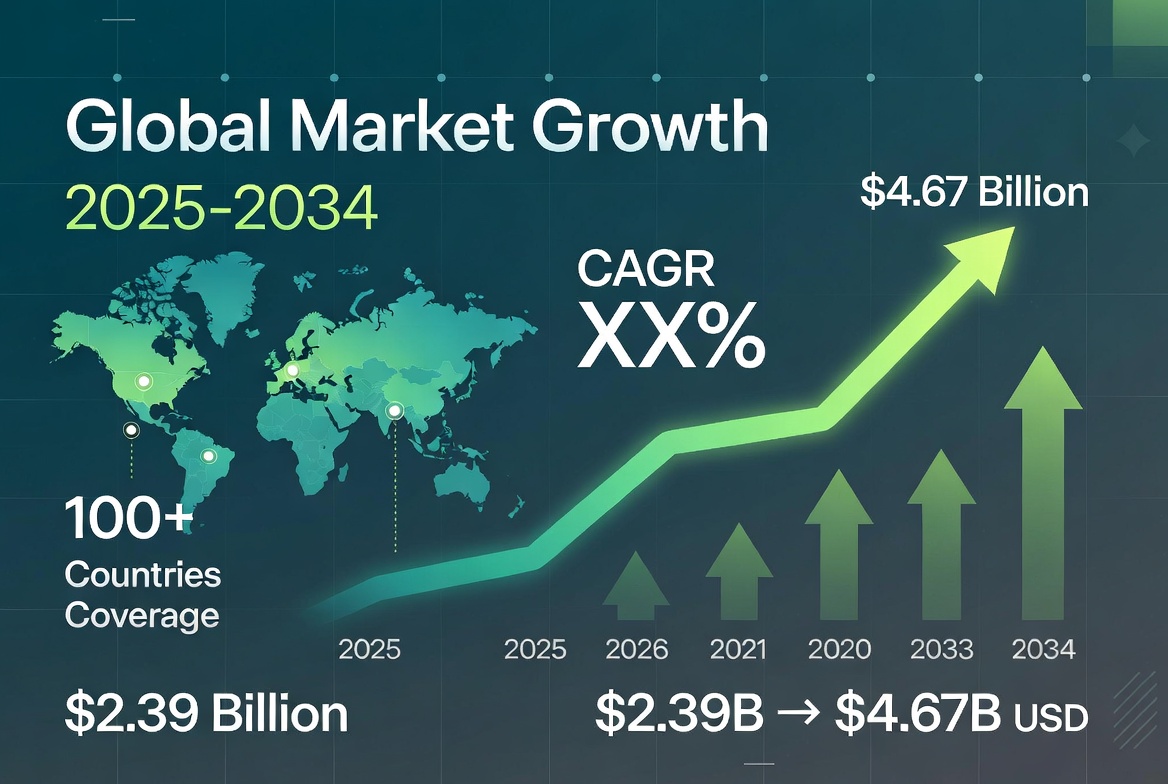
Single-chain variable fragments (scFvs) and Fab fragments represent two of the most versatile antibody formats in modern biotechnology, each offering distinct advantages for therapeutic and diagnostic applications. As the custom antibody development market is projected to reach USD 4.67 billion by 2034 with a compound annual growth rate (CAGR) of 10.3%, understanding these formats has become essential for researchers and biotechnology companies worldwide. [sciencedirect]
Understanding Antibody Fragment Architectures
What Are Single-Chain Variable Fragments (scFvs)?
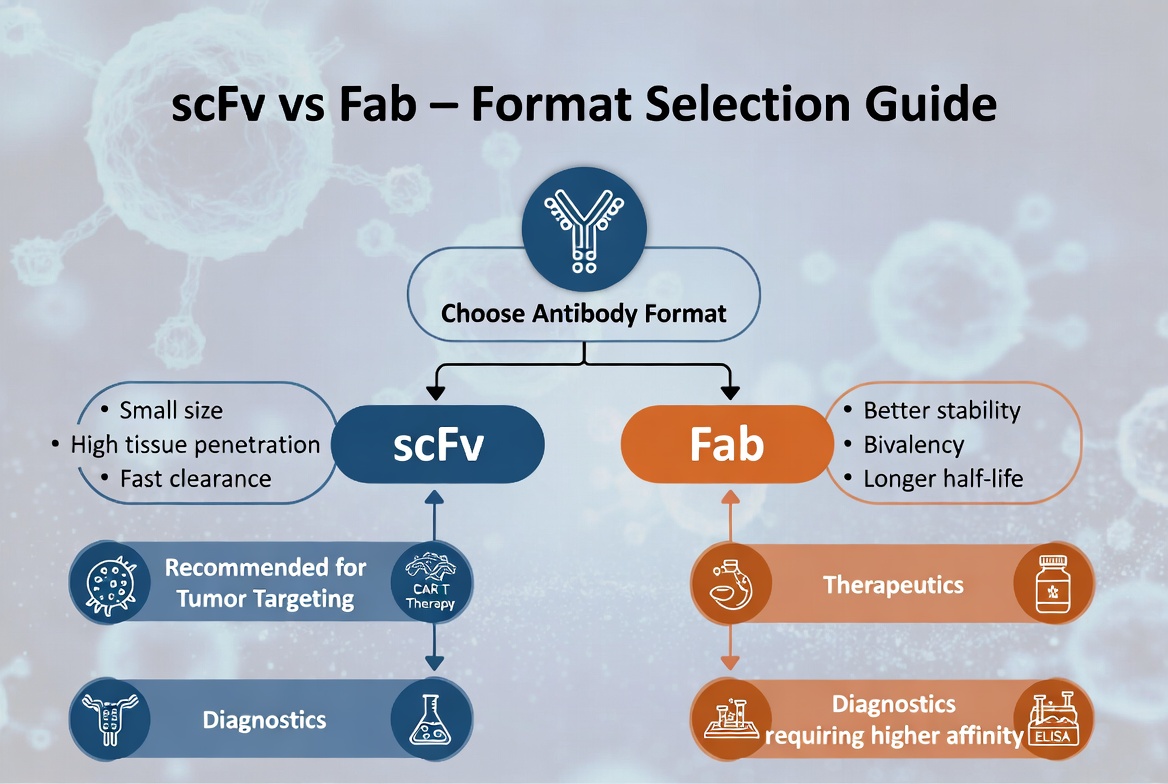
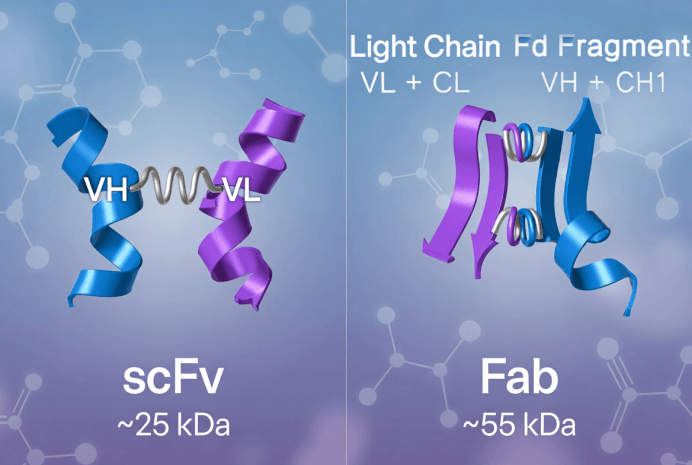
Single-chain variable fragments are recombinant antibody fragments where the variable heavy (VH) and variable light (VL) regions are linked together by a flexible peptide linker, typically consisting of 10-25 amino acids. This engineered design creates a compact molecular structure weighing approximately 25-30 kDa, making scFvs significantly smaller than full-length antibodies. The most commonly used linkers contain glycine and serine residues to ensure flexibility, often interspersed with charged residues like glutamic acid and lysine to enhance solubility. [oreateai]
What Are Fab Fragments?
Fab fragments (fragment antigen-binding) are obtained by enzymatic cleavage of full-length antibodies, representing one complete "arm" of the Y-shaped antibody structure. Each Fab fragment contains an entire light chain paired with the Fd portion of the heavy chain, resulting in a molecular weight of approximately 55 kDa. Unlike scFvs, Fab fragments are typically composed of two separate polypeptide chains — the light chain and the Fd portion of the heavy chain — associated through non-covalent interactions and stabilized by interchain disulfide bonds, providing enhanced structural stability. [oreateai]
Structural and Functional Differences
Molecular Size and Tissue Penetration
The smaller size of scFvs can improve tissue penetration, particularly in solid tumor and imaging applications. However, this advantage must be balanced against faster renal clearance and shorter serum half-life compared with larger antibody formats. ScFvs, at 25-30 kDa, are approximately half the size of Fab fragments (55 kDa), enabling superior tissue penetration—a critical advantage for solid tumor targeting. This enhanced penetration capability makes scFvs particularly valuable in oncology applications where deep tissue access is required. [oreateai]
Fab fragments, while larger than scFvs, still offer better tissue penetration compared to full-length antibodies (150 kDa), striking a balance between size and structural integrity. This intermediate size makes Fab fragments suitable for applications requiring both effective tissue access and robust binding stability. [pubmed.ncbi.nlm.nih]
Stability and Expression Considerations
Stability profiles differ significantly between formats. Fab fragments demonstrate inherently higher structural stability due to their disulfide-bonded architecture, whereas scFvs can experience challenges with misfolding or aggregation because they rely on peptide linkers to maintain domain association. However, advances in linker design and protein engineering have substantially improved scFv stability in recent years. [sciencedirect]
Expression systems also vary considerably. ScFvs excel in bacterial expression systems, particularly *Escherichia coli*, where they can be produced without requiring post-translational glycosylation. This capability significantly reduces production costs and timelines. Recent research in 2025 confirmed that functional monoclonal antibodies and antibody fragments can be rapidly produced from bacterial cells using simple, cost-effective methods accessible to laboratories worldwide. [pubmed.ncbi.nlm.nih]
Conversely, Fab fragments can be rapidly generated from existing whole antibodies through enzymatic digestion within several days, offering a quick development pathway when time is critical. [pubmed.ncbi.nlm.nih]
Immunogenicity and Therapeutic Applications
Reduced Immunogenic Potential
The absence of the Fc region may reduce certain Fc-mediated immune interactions, but immunogenicity depends on multiple factors, including sequence humanization, aggregation propensity, linker design, formulation, route of administration, and patient population. ScFvs contain only the minimal antigen-recognition domains, potentially reducing immune recognition further, though this advantage varies depending on the patient population and administration route. [sciencedirect]
Clinical and Research Applications
ScFv applications have expanded dramatically in cutting-edge therapeutic modalities. They are extensively utilized in CAR-T cell therapy, where scFvs are engineered into T-cell receptors to enable precise cancer cell targeting. Additionally, scFvs serve as probes for molecular imaging and have demonstrated utility in diagnostic applications including ELISA assays. The 2022 review of scFv progress in cancer diagnostics and therapeutics highlighted their growing importance in preclinical approaches. [pmc.ncbi.nlm.nih]
Fab and Fab'-based therapeutics have established clinical precedents in ophthalmology, inflammatory diseases, cardiovascular/antiplatelet therapy, and toxin or drug neutralization applications.. Their relative structural robustness makes them suitable for diagnostic platforms and therapeutic applications requiring stable, predictable binding characteristics. [oreateai]
| Feature | scFv (25-30 kDa) | Fab Fragment (55 kDa) |
|---|---|---|
| Size | Smaller, superior tissue penetration | Moderate size, balanced penetration |
| Structure | VH-linker-VL genetic fusion | Light chain + Fd heavy chain (disulfide bonds) |
| Stability | Lower; linker-dependent | Higher; disulfide stabilization |
| Expression | Bacterial (E. coli), no glycosylation needed | Enzymatic cleavage from whole antibodies or mammalian expression |
| Immunogenicity | Potentially lowest (minimal domains) | Low (no Fc region) |
| Production Time | Moderate (library construction + selection) | Fast (enzymatic digestion: days) |
| Production Cost | Lower (bacterial systems) | Moderate to higher |
| Key Applications | CAR-T therapy, molecular imaging, diagnostics | Therapeutics, diagnostics, antivenoms |
| FDA Approvals | Emerging in cell-based therapies | Multiple approved drugs |
Custom Antibody Development Strategies
scFv Library Construction and Selection
Modern scFv development leverages human B lymphocyte-derived libraries for enhanced clinical relevance. The construction process involves: [sciencedirect]
1. mRNA extraction from B lymphocytes
2. Reverse transcription to generate cDNA templates
3. PCR amplification of VH and VL genes with restriction sites
4. Sequential cloning (VL followed by VH)
5. Linker-mediated fusion creating scFv constructs
6. Affinity selection using phage display or yeast display platforms to isolate high-affinity binders [pmc.ncbi.nlm.nih]
This methodology enables the creation of immune and non-immune libraries containing diverse antibody repertoires targeting tumor antigens, proteins, haptens, and carbohydrates. [sciencedirect]
Fab Production Pathways
Fab generation offers two primary routes:
1. Enzymatic digestion: Fab fragments can be generated by papain digestion of full-length IgG antibodies, while pepsin digestion typically produces F(ab')₂ fragments that can be further reduced to Fab' fragments. Alternatively, Fab fragments can be produced recombinantly in bacterial, yeast, insect, or mammalian expression systems.
2. Recombinant expression: Direct expression in mammalian cell systems (HEK293, CHO cells) with subsequent purification via Protein A/G or affinity chromatography [cloud.tencent]
The choice between pathways depends on project timelines, budget constraints, and downstream application requirements.
Expression Systems and Scalability
Bacterial Expression Advantages for scFvs
E. coli is one of the most commonly used systems for scFv production due to its speed and cost-effectiveness. However, expression performance is clone-dependent, and some scFvs may require periplasmic expression, solubility optimization, refolding, or alternative expression systems. [pubmed.ncbi.nlm.nih]
- No glycosylation requirement: Eliminates the need for expensive mammalian cell culture
- Rapid production timelines: Bacterial systems enable faster turnaround from gene to protein
- Cost-effectiveness: Significantly lower media and facility costs compared to mammalian systems
- Simplified purification: His-tag or other affinity tags facilitate straightforward isolation
- Genetic stability: scFv genes remain stable through bacterial passage
A landmark 2025 study demonstrated that simple, rapid, and inexpensive methods for producing functional monoclonal antibodies from bacterial cells are now accessible to the global diagnostics and therapeutics research communities, requiring only basic microbial culture equipment. [pubmed.ncbi.nlm.nih]
Mammalian Expression for Complex Antibody Formats
While scFvs thrive in bacterial systems, complex antibody formats including some Fab variants benefit from mammalian expression platforms (HEK293, CHO, insect cells) that provide proper folding machinery and post-translational modifications. Gene Universal's comprehensive expression platform encompasses bacterial, mammalian (293 & CHO), yeast, insect, and *Bacillus subtilis* systems, enabling customized production strategies aligned with specific antibody format requirements. [ae.linkedin]
Market Dynamics and Industry Trends
Growth Trajectory of Custom Antibody Services
The global custom antibody development and production service market demonstrates robust expansion, valued at USD 2.39 billion in 2025 and projected to reach USD 4.67 billion by 2034. This growth is fueled by several converging factors: [intelmarketresearch]
- Increasing R&D intensity across pharmaceutical and biotechnology sectors
- Expansion of targeted biologics requiring precise antibody engineering
- Rising demand for bespoke antibodies that catalog products cannot fulfill
- Regulatory shifts toward non-animal methods, including EU EURL-ECVAM guidance favoring recombinant approaches [intelmarketresearch]
Leading players including Thermo Fisher Scientific, Sino Biological, GenScript, and Creative Biolabs are expanding their portfolios to capture this growing market. Custom antibody services in Japan alone are anticipated to grow at a CAGR of 11.2% from 2026 to 2033, reflecting regional demand intensity. [linkedin]
Emerging Format Innovations
Recent industry conferences, including Antibody Engineering & Therapeutics Europe (May 27-29, 2026), highlight emerging trends in format innovation, multispecifics, antibody-drug conjugates (ADCs), and next-generation therapeutic modalities. ScFvs are increasingly incorporated into bispecific antibodies and cellular therapies, while Fab-based formats continue evolving for specialized diagnostic and therapeutic applications. [isogenica]
Gene Universal's Integrated Antibody Development Platform
As a Delaware-based pioneer in gene synthesis and synthetic biology, Gene Universal provides comprehensive custom antibody development services spanning the entire workflow from DNA to functional antibody. Our capabilities include: [zoominfo]
- Antigen design and optimization: Utilizing sophisticated bioinformatics software for epitope prediction and immunogenicity assessment
- Multi-format antibody engineering: Expertise in scFv, Fab, full-length IgG, and specialized formats
- Five expression system platforms: Bacterial, mammalian (HEK293 & CHO), yeast, insect, and *Bacillus subtilis* to match format requirements
- Comprehensive purification services: Protein A/G, Ni-NTA, and size exclusion chromatography
- Rigorous validation: Western blot, ELISA, immunohistochemistry, flow cytometry, and immunoprecipitation
With operations spanning over 100 countries, Gene Universal delivers cost-effective, rapid-turnaround solutions that accelerate drug discovery, biotechnology innovation, and diagnostic development. [ae.linkedin]
Selecting the Optimal Antibody Format
Decision Framework
Choosing between scFv and Fab formats requires careful consideration of multiple factors:
Choose scFv when:
- Maximum tissue penetration is critical (e.g., solid tumor targeting)
- Bacterial expression is preferred for cost and timeline efficiency
- Integration into cellular therapies (CAR-T) is required
- Molecular imaging applications demand minimal size
- Minimal immunogenicity is prioritized
Choose Fab when:
- Rapid development from existing antibodies is needed
- Higher structural stability is essential
- Therapeutic applications require robust binding consistency
- Regulatory precedent favors established formats
- Diagnostic platforms benefit from balanced size and stability
Hybrid and Future Approaches
Emerging strategies include scFv-Fc fusions that combine scFv penetration with Fc-mediated effector functions, and bispecific formats leveraging scFv modularity for dual-target engagement. These innovations continue expanding the antibody engineering toolkit available to researchers and clinicians. [oreateai]
Quality Control and Validation Standards
Rigorous quality control ensures antibody fragments meet application-specific performance criteria. Standard validation protocols include:
1. Binding affinity assessment: Surface plasmon resonance (SPR) or biolayer interferometry (BLI) to determine KD values
2. Specificity testing: Western blot, ELISA, and immunoprecipitation against target and off-target antigens
3. Functional assays: Cell-based assays confirming biological activity
4. Purity analysis: SDS-PAGE and size exclusion chromatography confirming >90% purity
5. Stability studies: Accelerated stability testing under various storage conditions
Gene Universal implements comprehensive quality management systems aligned with international standards, ensuring each custom antibody meets or exceeds project specifications.
Contact Gene Universal for Custom Antibody Solutions
Whether your research demands the deep tissue penetration of scFvs or the structural robustness of Fab fragments, Gene Universal's integrated antibody engineering platform delivers tailored solutions with unparalleled customization and rapid turnaround. Our global network of scientists combines cutting-edge expression technologies with decades of expertise in antibody development.
Ready to accelerate your research? Contact our antibody engineering team today to discuss your custom antibody development needs and discover how our end-to-end solutions can transform your therapeutic or diagnostic project from concept to clinical application.
Frequently Asked Questions (FAQ)
Q1: What is the main structural difference between scFv and Fab fragments?
ScFv fragments consist of VH and VL domains connected by a flexible peptide linker (~25-30 kDa), while Fab fragments contain an entire light chain and partial heavy chain held together by disulfide bonds (~55 kDa). This size difference significantly impacts tissue penetration and stability characteristics. [sciencedirect]
Q2: Can scFv antibodies be produced in bacterial expression systems?
Yes, scFvs are ideally suited for bacterial expression, particularly in *E. coli*, because they do not require post-translational glycosylation. This enables cost-effective, rapid production with simple purification workflows, making scFv development accessible to laboratories worldwide. [pubmed.ncbi.nlm.nih]
Q3: Which antibody format offers better tumor penetration for cancer therapy?
ScFv fragments provide superior tumor penetration due to their smaller size (25-30 kDa) compared to Fab fragments (55 kDa) and full-length antibodies (150 kDa). This advantage makes scFvs particularly valuable for solid tumor targeting in CAR-T cell therapies and molecular imaging applications. [oreateai]
Q4: How long does it take to develop custom scFv versus Fab antibodies?
Fab fragments can be generated within several days through enzymatic digestion of existing whole antibodies. ScFv development typically requires several weeks to months, depending on library construction, screening, and optimization requirements. However, bacterial expression enables rapid production once optimal scFv clones are identified. [pubmed.ncbi.nlm.nih]
Q5: Are scFv or Fab fragments less immunogenic than full antibodies?
Both formats demonstrate reduced immunogenicity compared to full-length antibodies due to the absence of the Fc region. ScFvs may offer additional advantages as they contain only the minimal variable domains necessary for antigen recognition, though individual immunogenicity depends on patient factors and administration routes. [sciencedirect]
References
1. Single Chain Fragment Variable Antibody - ScienceDirect Topics. https://www.sciencedirect.com/topics/pharmacology-toxicology-and-pharmaceutical-science/single-chain-fragment-variable-antibody
2. Custom Antibody Development Service Market Outlook 2026-2034 - Intel Market Research. https://www.intelmarketresearch.com/custom-antibody-development-service-market-42461
3. Gene Universal Inc. LinkedIn Company Profile. https://ae.linkedin.com/company/gene-universal-inc
4. Custom Antibody Services - Tencent Cloud Developer Article (2025). https://cloud.tencent.com/developer/article/2544991
5. Muñoz-López, P., et al. (2022). Single-Chain Fragment Variable: Recent Progress in Cancer Diagnostics and Therapeutics. NCBI PMC. https://pmc.ncbi.nlm.nih.gov/articles/PMC9455005/
6. Gene Universal Inc. Company Overview - ZoomInfo (2024). https://www.zoominfo.com/c/gene-universal-inc/443642983
7. Custom Antibody Service Market Size, Trends & Forecast 2026-2033 - Coherent Market Insights. https://www.coherentmarketinsights.com/market-insight/custom-antibody-service-market-5254
8. Aptamers, Antibody scFv, and Antibody Fab' Fragments Comparison - PubMed (2016). https://pubmed.ncbi.nlm.nih.gov/27155114/
9. Antibody Engineering & Therapeutics Europe 2026 - Isogenica. https://isogenica.com/meet-us-at-antibody-engineering-therapeutics-europe-from-may-27-29-2026/
10. Simple Recombinant Monoclonal Antibody Production from Escherichia coli - PubMed (2025). https://pubmed.ncbi.nlm.nih.gov/39965660/
11. Fab vs. scFv: Decoding the Tiny Titans of Antibody Engineering - Oreate AI (2026). https://www.oreateai.com/blog/fab-vs-scfv-decoding-the-tiny-titans-of-antibody-engineering/02d0e8814421d73356b99bd3efc62a54
12. Production Technologies for Recombinant Antibodies - PubMed (2024). https://pubmed.ncbi.nlm.nih.gov/39287779/
13. Japan Custom Antibody Services Market Revolution 2026-2033 - LinkedIn. https://www.linkedin.com/pulse/japan-custom-antibody-services-market-revolution-size-share-emerging-bg42f